Overview
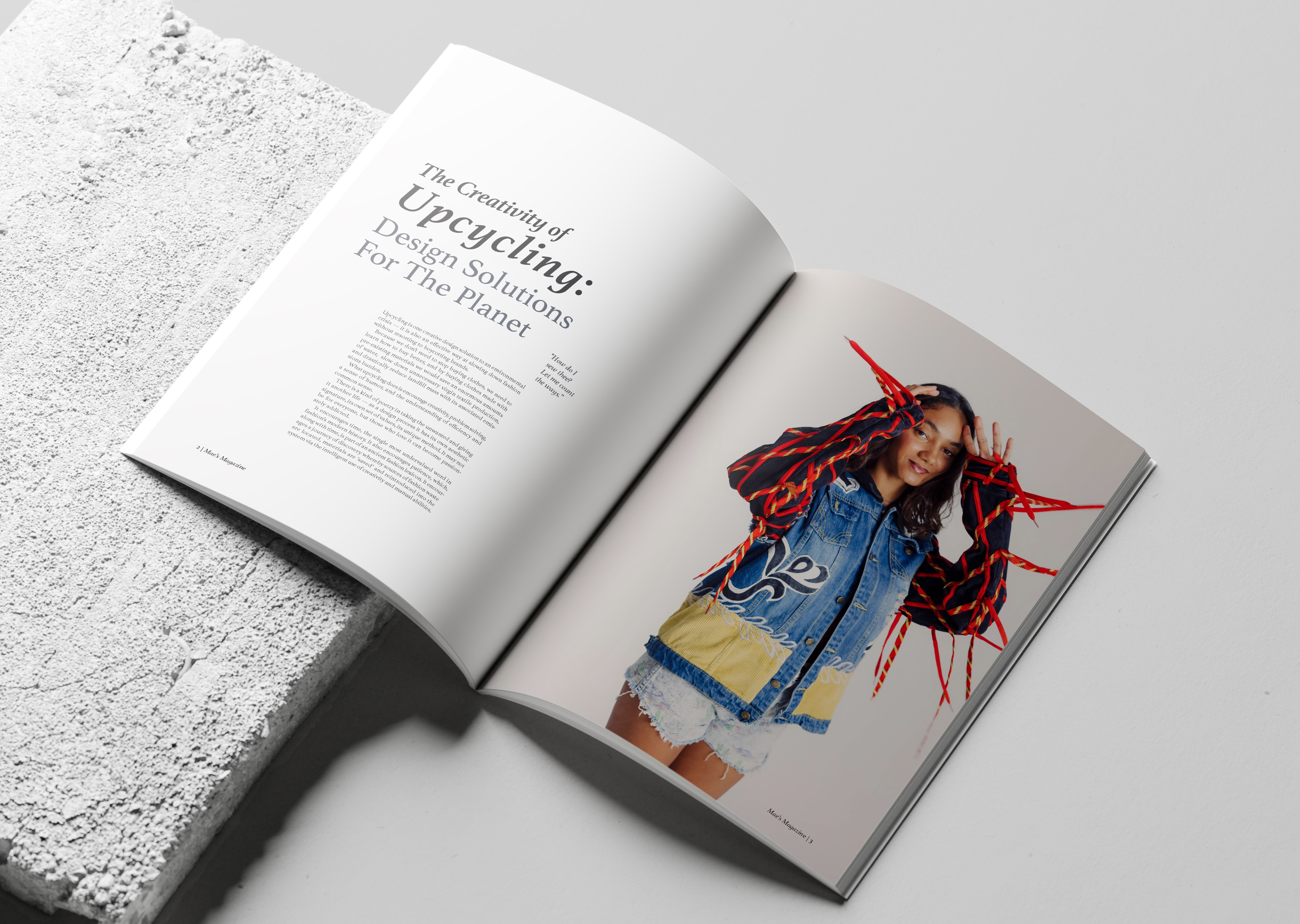
Upcycling has always existed, and with our planet's climate in crisis, it is more crucial than ever to be educated on ways to reduce our impact. This article delves into the various ways upcycling impacts the fashion industry, as well as what it is, and why it is so necessary in this day and age.
Challenge
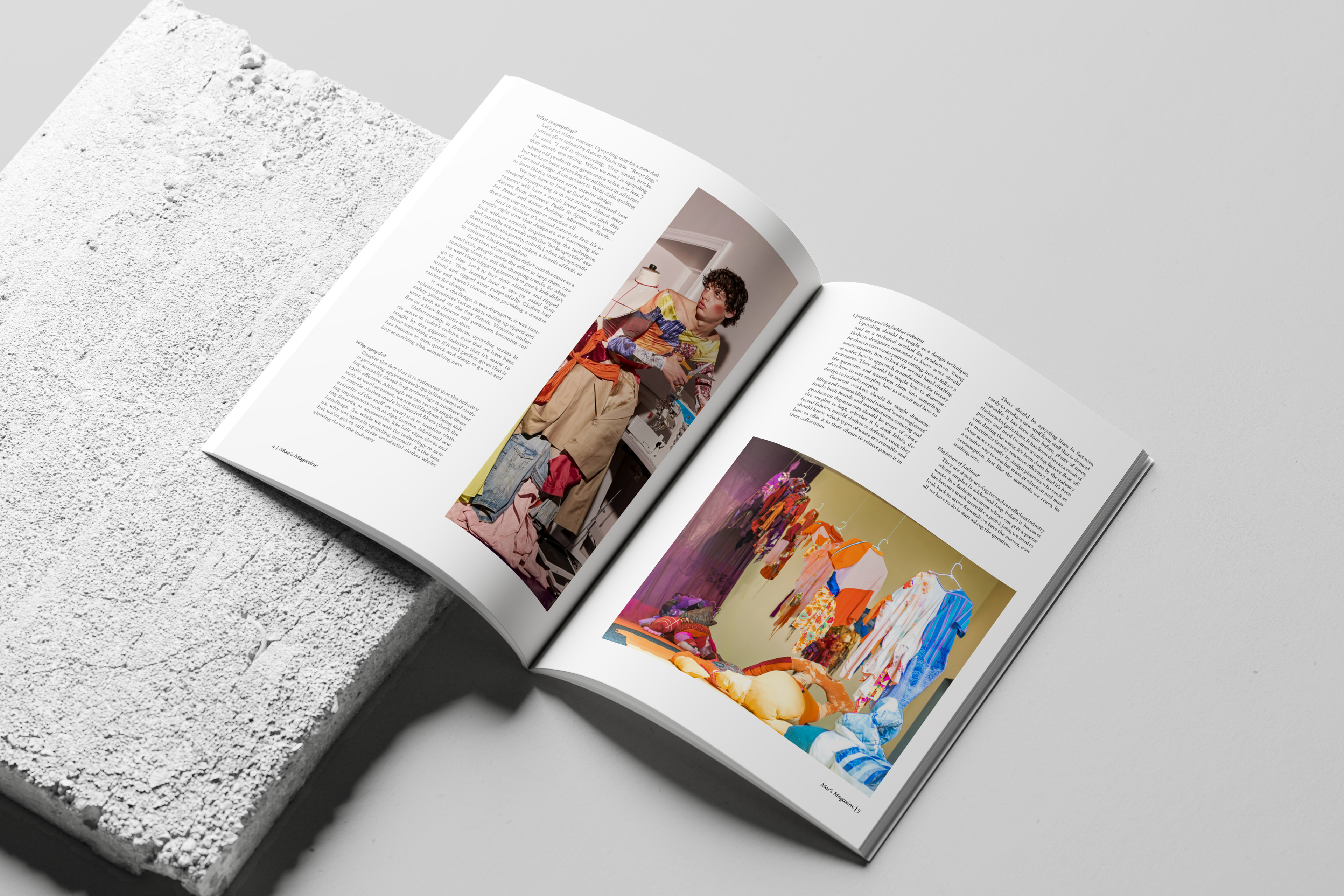
In this project, an article (body copy only) was presented, and I was tasked with the creative liberty of sourcing imagery and designing a cohesive layout. For the first spread, a hierarchical grid to balance images was required by the client, with the rest of the article adhering to the grid as well. Art direction and other details were left up to the discretion of the designer.
Solution
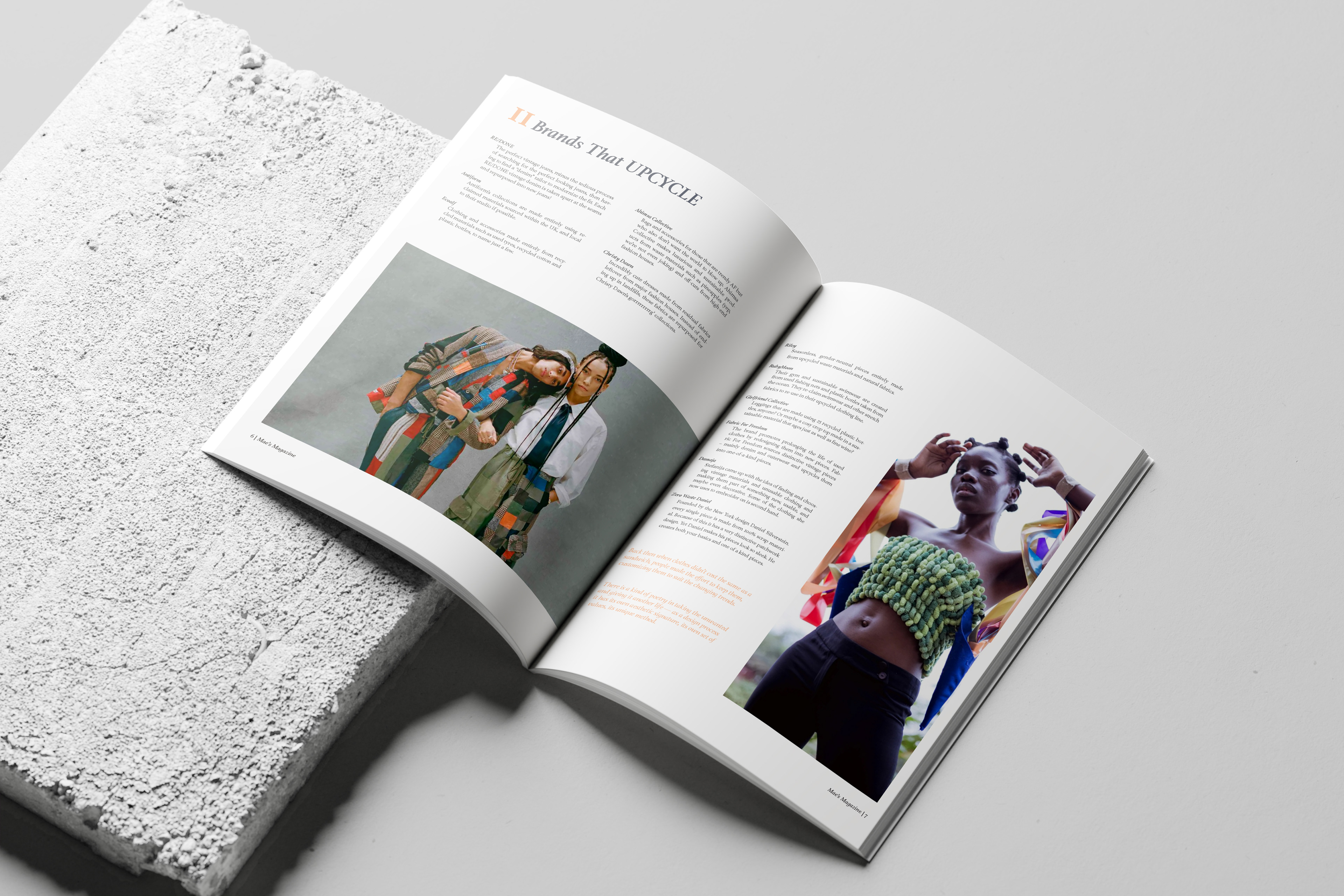
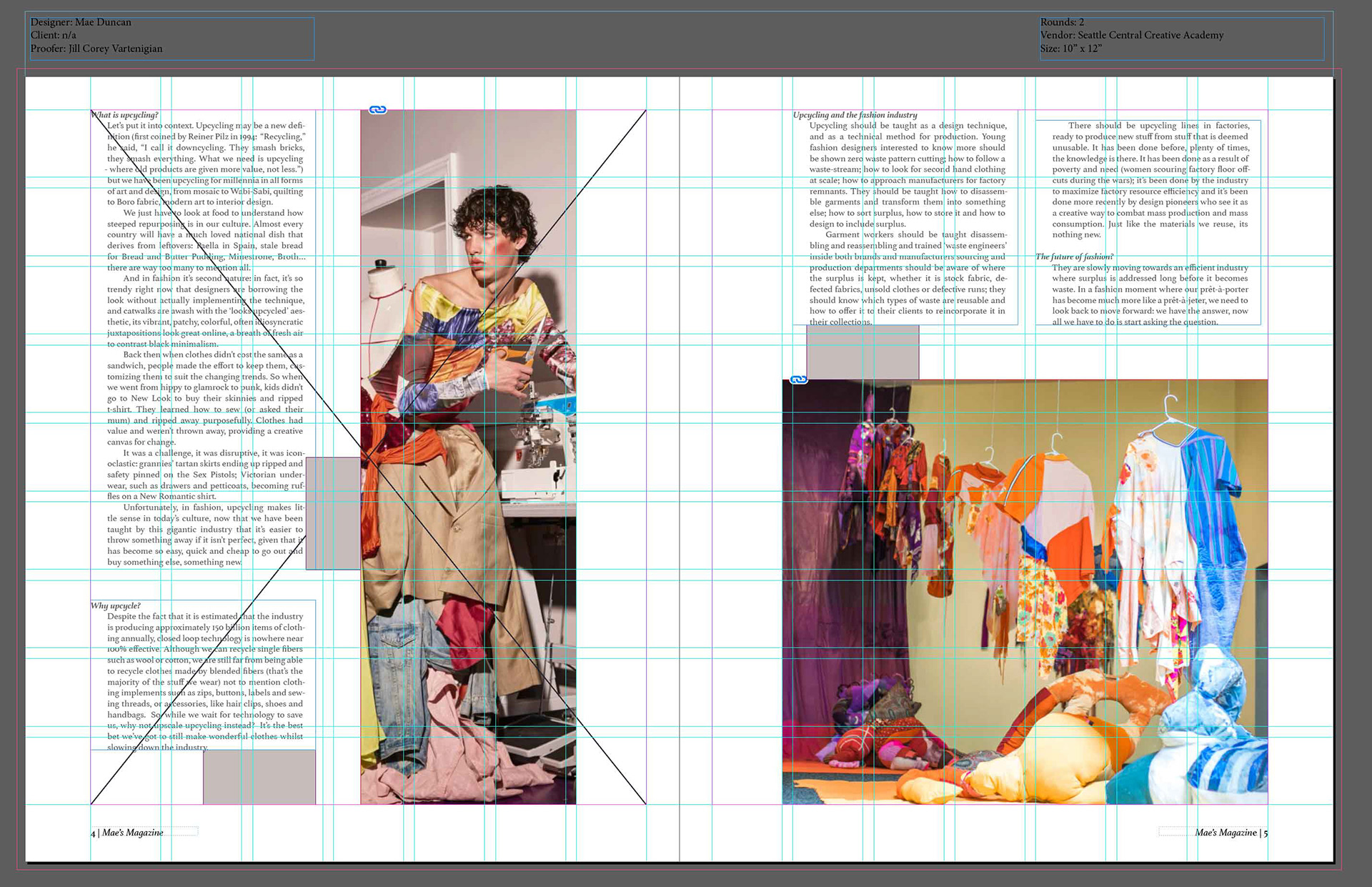
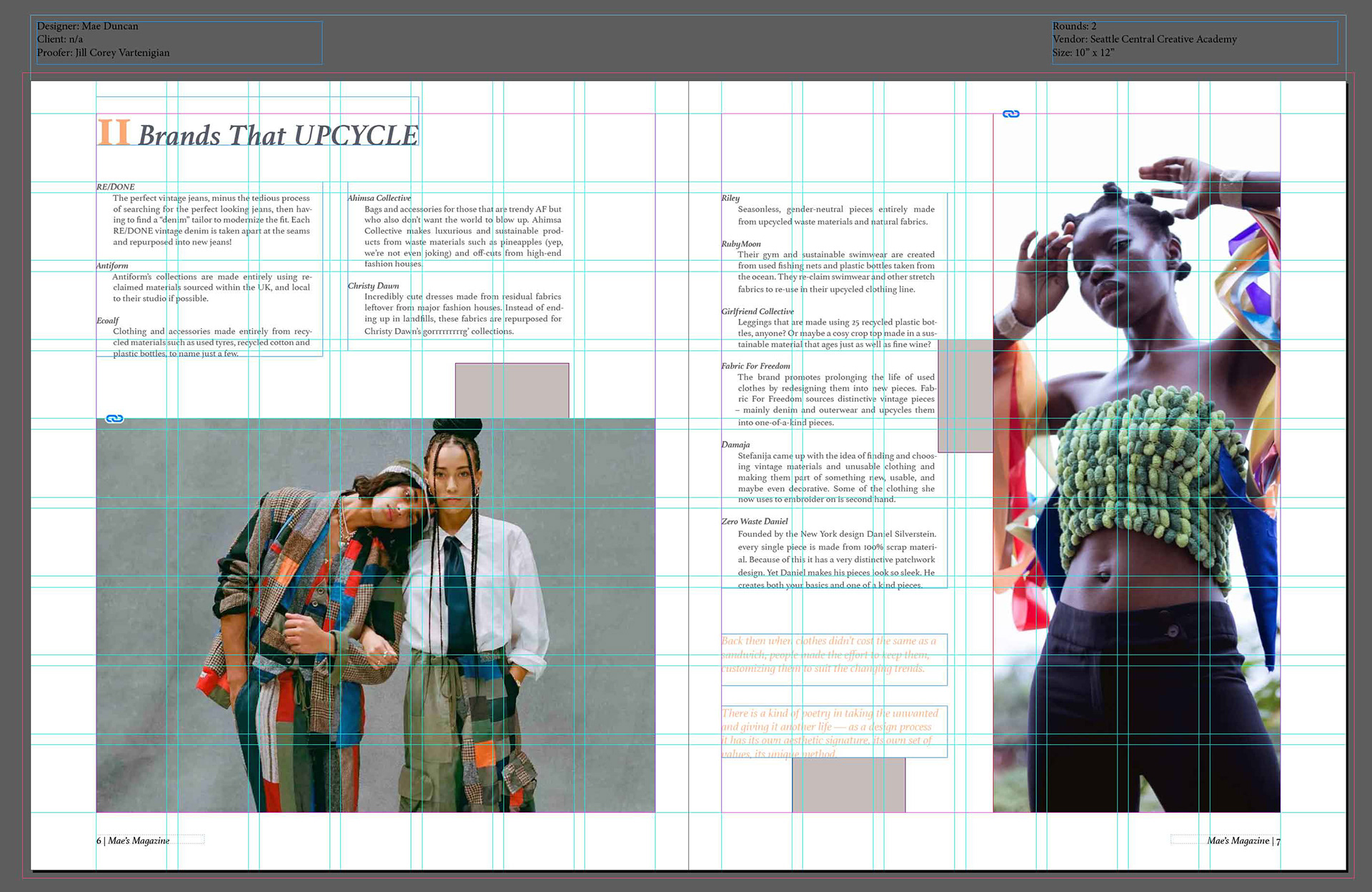
Opting for more editorial and refined visuals, photography that accurately conveyed the story being told was sourced. With magazines, it is paramount to draw readers in with imagery first, and therein the decision was made to only use color in photographs, as well as very key points in the article. Movement in photography also guides viewers through in an effective way.
Project Specs:
Timeline:
5 weeks
Tools:
Adobe Indesign, Google Suite
Roles:
Researcher, Ideation/ Concept Curation, Art Director, Layout Design, Typography, Editor
Audience/ Demographic
With a more fashion editorial feel, this article layout provides a more minimalistic and elegant approach to what some people may think of "upcycling" and sustainability. It intentionally appeals to an audience of primarily females aged teens to late 30s. For versatility purposes, it could be placed within any fashion magazine, however it would be best tailored to a lifestyle magazine and the ways they provide a more rounded experience.
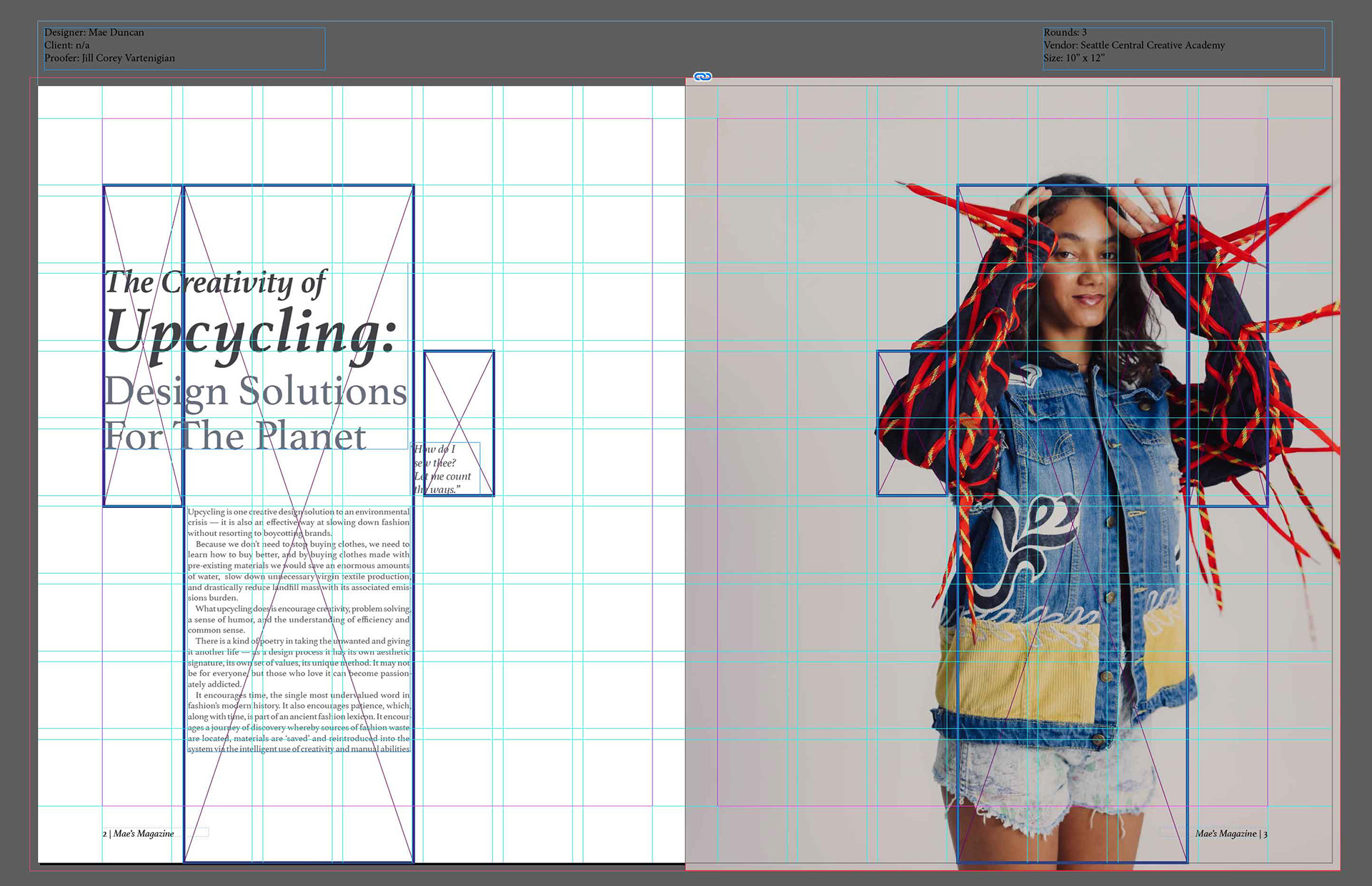
Hierarchal grid layout shown
Brainstorming
After the foundational grid was decided and body copy had been flowed in, it was necessary to build a small roster of photography to reference and work with, especially when it came to the hierarchal grid layout.
Process
Stylistically, inspiration for this article's layout were taken from other lifestyle fashion magazines such as Vogue, Cosmopolitan, and Vanity Fair. Typo-graphic styles were put into place to keep text organized in various styles, including things such as consistent headers and indented subheads.
The article and photo portrayed here are utilized as a part of a school project to help bring a design concept to life. All credit goes to the original creators.